Lead Paint Removal in Livermore

Livermore Lead Paint Removal handles lead paint removal, testing and lead-safe work in Livermore for houses built before 1978. The 2020-2024 American Community Survey puts 52.3% of the city’s homes before 1980, and 81% of its housing is single-family homes, so the question can be one owner and one house: buy it, remodel it, repaint it or leave the paint alone.

Lead work in California answers to two agencies. Inspectors, risk assessors and abatement crews hold certificates from the California Department of Public Health (CDPH), while renovation firms hold theirs from the EPA, since the state has not yet adopted a renovation program. Houses finished in 1978 or later sit outside the federal lead paint rules.

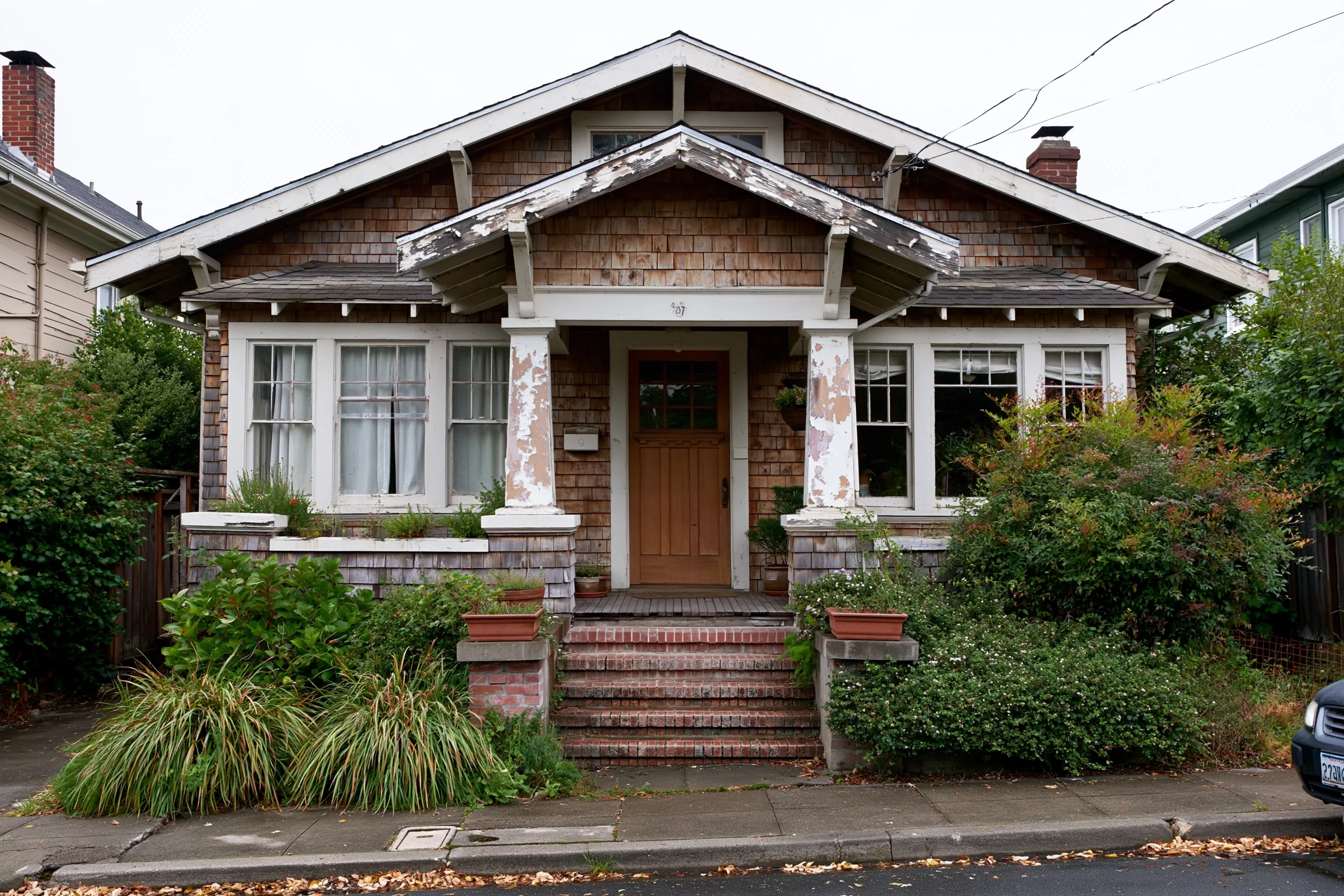
Craftsman bungalow with wood shingle siding and white-painted porch columns and trim showing worn paint, with a front garden
Lead paint inspection and testingExterior lead paint removalLead paint window and door workLead-safe renovation and remodelingLead paint encapsulation

Lead paint services

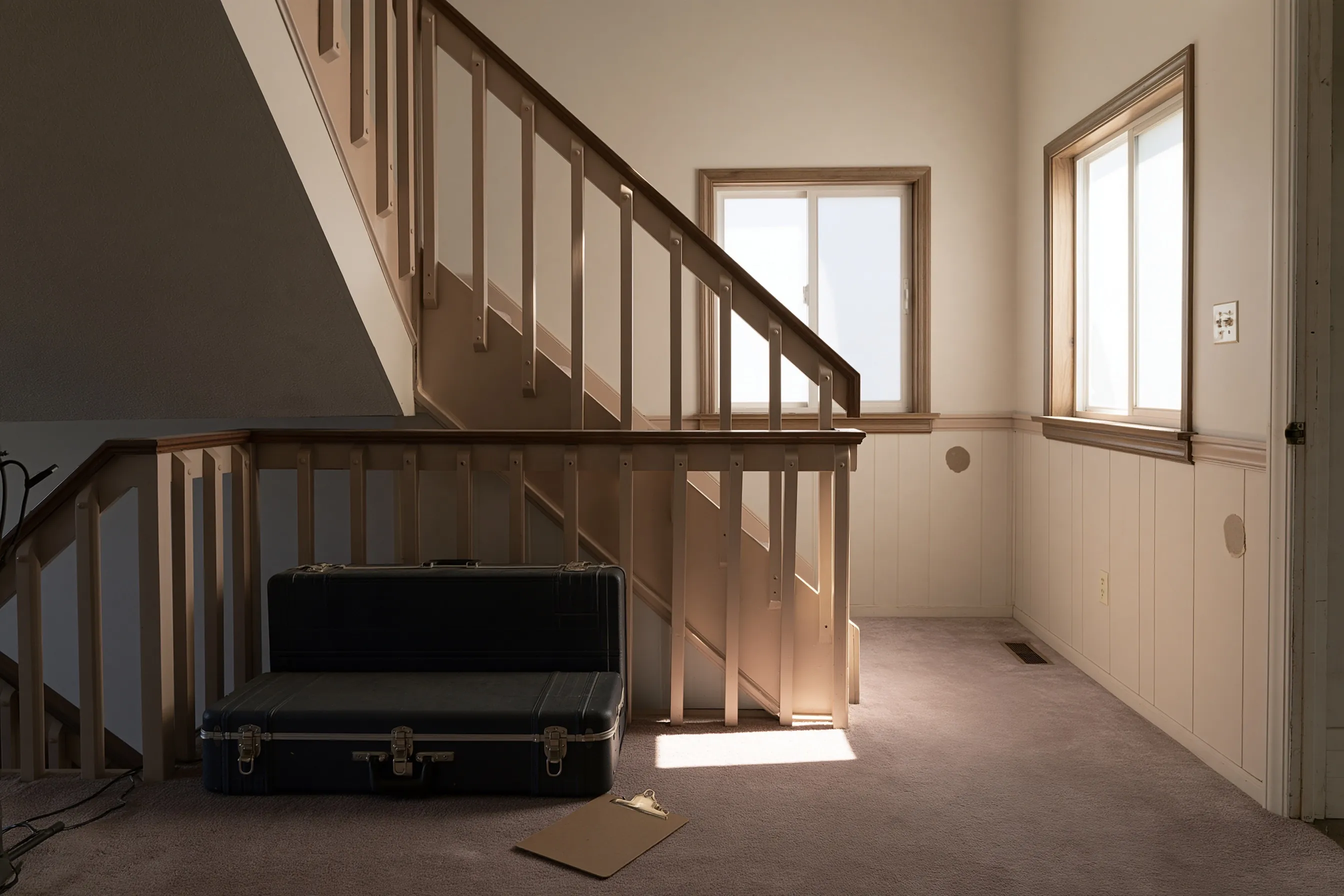
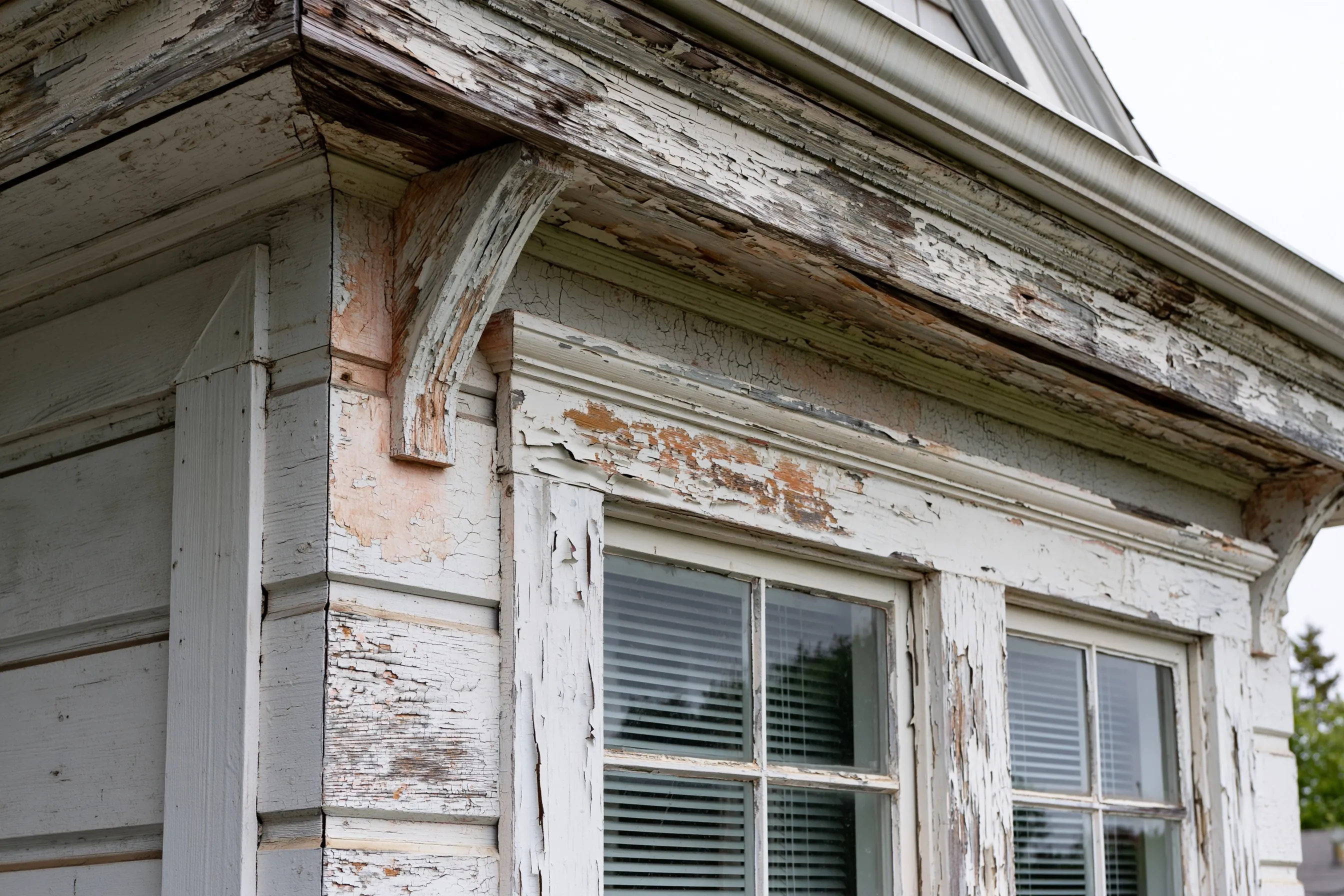
Stair landing with painted wood railings, paneled wainscot with two small sample marks, a closed hard case and a flat sheet of cardboard on the carpetClose-up of an eave, fascia and window trim on an older wood-sided house with layers of white paint peeling and cracking

Lead paint inspection and testing

Buying a house built before 1978 gives you a federal 10-day window to have the paint tested, and in California the test has to come from an Inspector/Assessor certified by CDPH. The same kind of inspection suits an owner planning a remodel, because the report names the painted parts that contain lead and leaves the rest of the scope alone.

Exterior lead paint removal

Siding, painted stucco, eaves, fascia, trim and garage doors take the weather, and old coats on them flake into the beds and walkways below. Exterior work lays sheeting along the wall first. California treats paint disturbed without containment as a lead hazard on its own, and abatement crews post a notice before they start.

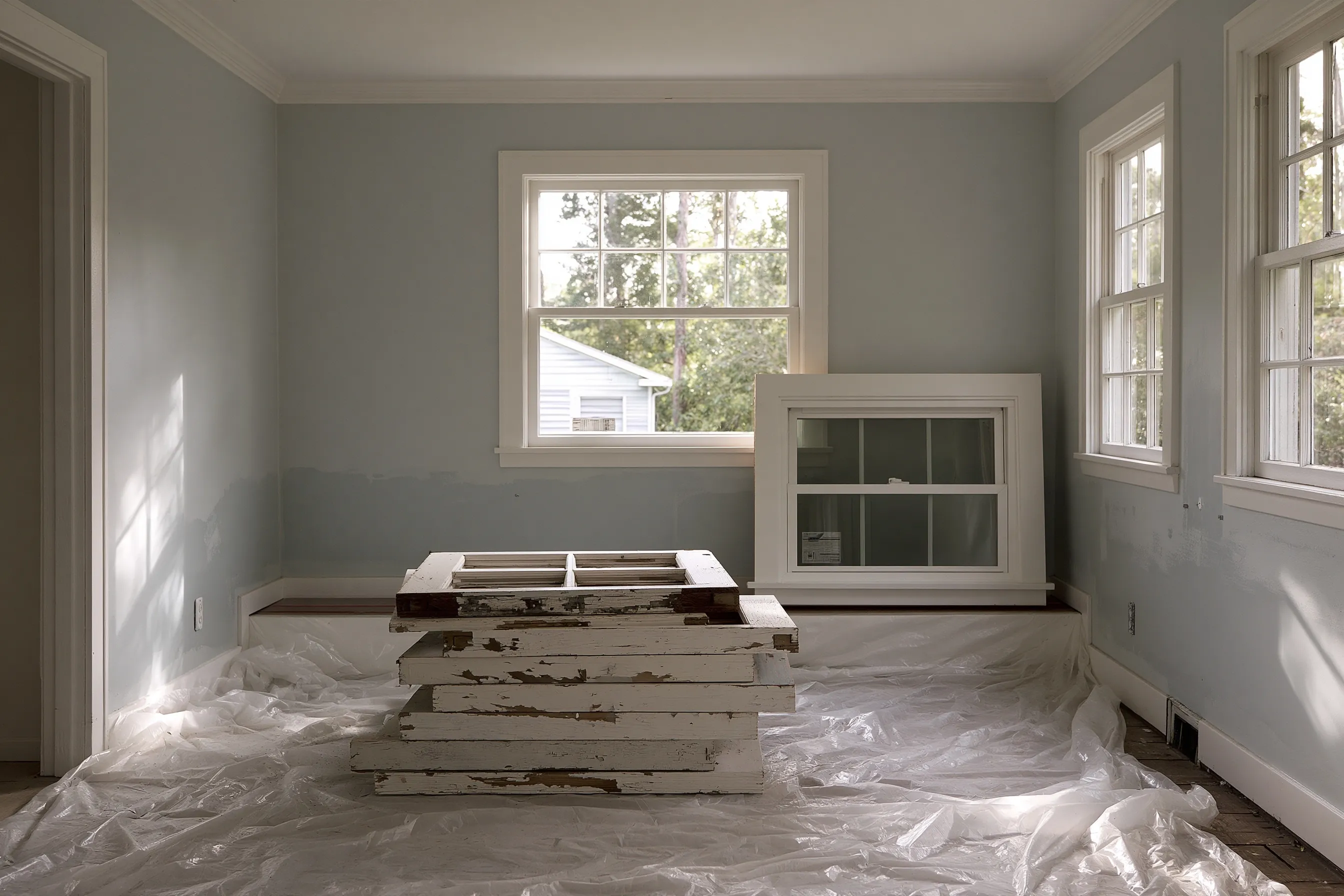
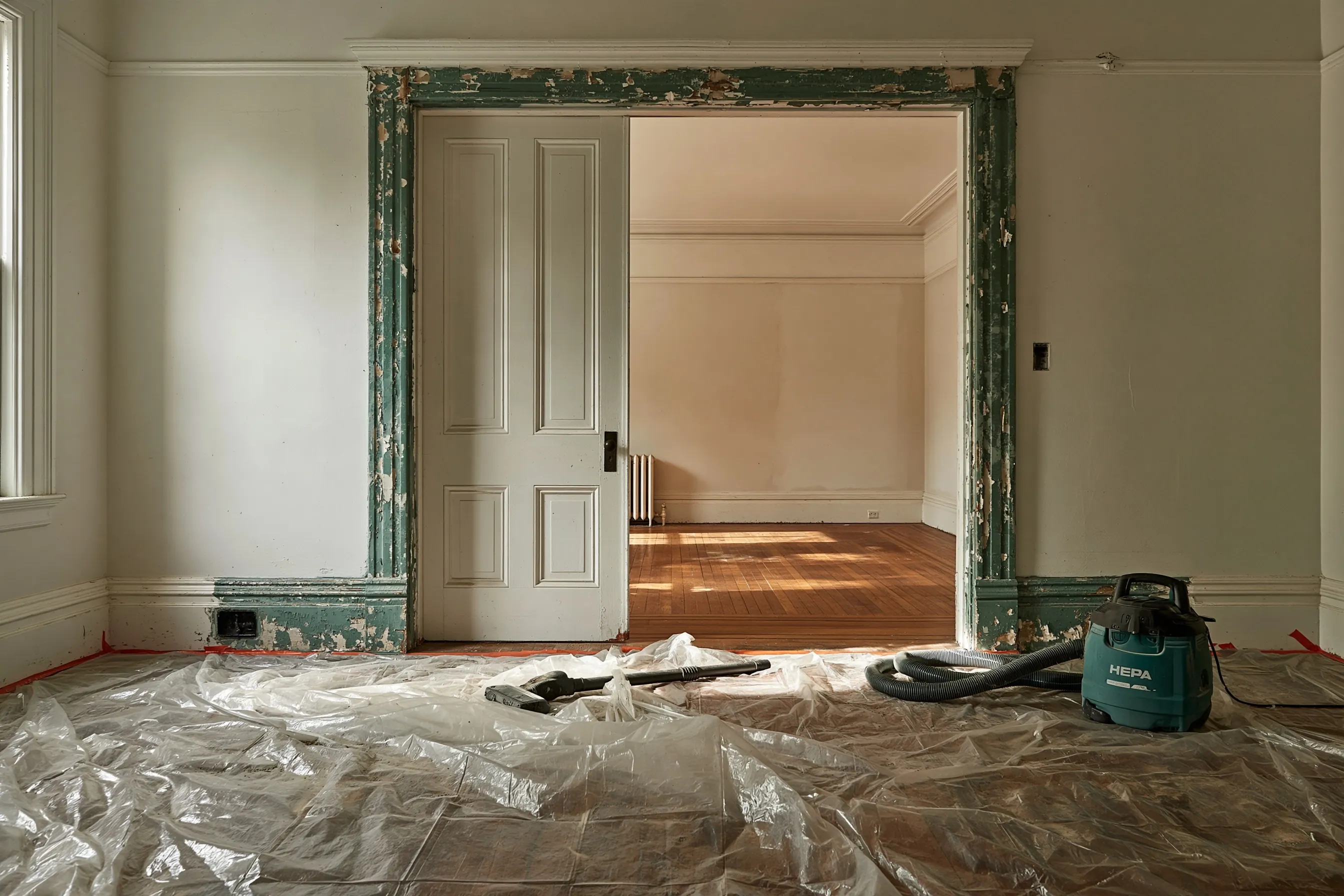
Room during window replacement with old paint-chipped wood sashes stacked on plastic sheeting and a new double-hung unit leaning below the openingInterior door frame and baseboard with layered old paint, room prepared with plastic sheeting

Lead paint window and door work

Sashes slide, doors swing and both wear their paint into fine dust at the edges. Swapping out windows in a pre-1978 house is covered by the EPA renovation rule whatever the size, and the city’s Permit Center decides whether a given replacement also needs a building permit. Keeping the original frames means stripping or repainting them with the dust contained.

Lead-safe renovation and remodeling

A kitchen remodel, a room addition or a repaint in a 1960s or 1970s house is not abatement, but sanding, cutting and demolition still break up old paint. The EPA requires a certified firm and a certified renovator for most of that work, rooms are sealed off and a cleaning check closes the job. CDPH’s own renovation rules under SB 1076 are still pending.

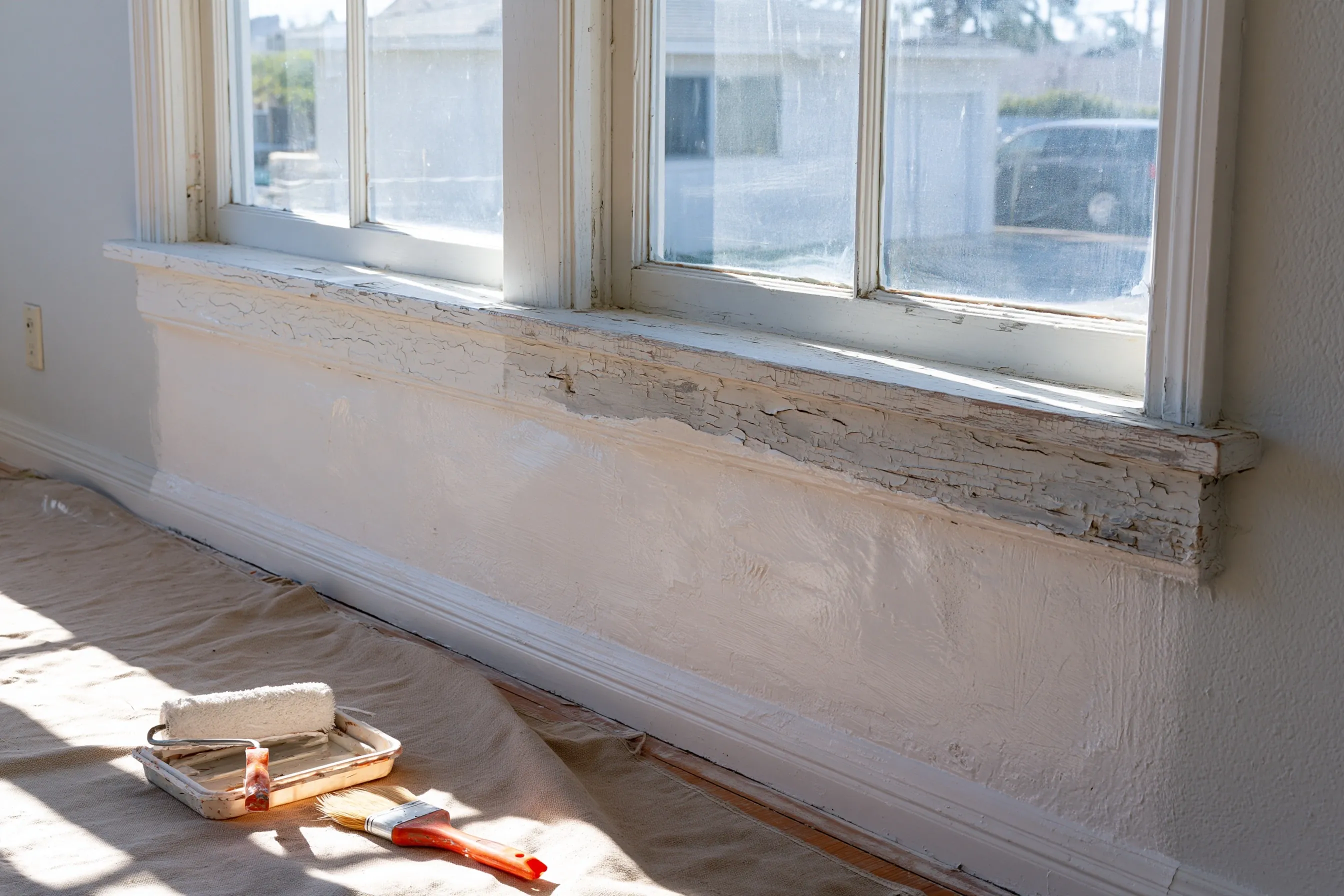
Older painted plaster wall below a cracked painted wood window sill, partly coated with encapsulant paint, tray and brush on a drop cloth

Lead paint encapsulation

If the paint is sound and bonded, a coating made for the purpose or a covering of new material can lock it in place rather than strip it. State rules turn on the designed life of the fix. Twenty years or longer counts as abatement, with certified workers and a written plan; a shorter life makes it an interim control.

Lead paint testing and removal costs

Each line is hired labor plus materials and any lab fees for a typical job in Livermore, Pleasanton and Danville, one line per job size. A small, easy job sits near the low end. The open top end is for more painted parts, high or detailed work, rotten wood found under the paint, or a failed clearance test that means cleaning again.

Lead paint inspection and testing

  • Test of the rooms or parts a project will touch$300 – $700+
  • Whole house up to 2,500 sq ft$350 – $975+
  • Large house over 2,500 sq ft$575 – $1,250+
  • Risk assessment with dust and soil samples, one house$700 – $2,000+
  • Clearance test after lead work$250 – $700+
What is included

Readings or paint chips from each type of painted surface, or dust and soil samples for a risk assessment, and a written report of what tests positive and what does not. Rush reports and extra lab samples cost more.

Get a free quoteSee an example project

Exterior lead paint removal

  • Eaves and fascia on one side, about 100 sq ft$950 – $2,350+
  • Porch and railings, about 150 sq ft$1,600 – $4,500+
  • One-story house, peeling trim, eaves and siding or stucco$5,750 – $16,250+
  • Two-story house$11,500 – $34,500+
What is included

Plastic on the ground and around the wall, loose paint misted and scraped or stripped from eaves, fascia, trim, siding and stucco, waste bagged, primer and paint on the bare wood, and a check for chips and dust at the end. Rotten wood, stucco repair and scaffolding cost extra.

Get a free quoteSee an example project

Lead paint window and door removal

  • One window replaced$475 – $1,425+
  • About 4 windows replaced$1,650 – $4,900+
  • About 10 windows replaced$4,800 – $14,400+
  • One or two old windows or doors stripped and restored, originals kept$700 – $2,050+
What is included

Old windows or doors taken out with plastic inside and out and new units fitted, or the originals stripped, repaired and repainted, then cleanup and a check of the sills. Custom sizes and period doors cost more.

Get a free quoteSee an example project

Lead-safe renovation and remodeling (add-on)

  • Small repair, one room$500 – $1,250+
  • Kitchen or bathroom remodel$1,550 – $4,500+
  • Several rooms or a whole floor$3,800 – $10,750+
What is included

What lead-safe work adds to a remodel, repair or repaint in a pre-1978 home: rooms sealed with plastic, old paint misted before it is disturbed, HEPA vacuuming, cleaning each day and at the end, a cleaning check and waste bagged. The project itself is priced separately.

Get a free quoteSee an example project

Lead paint encapsulation

  • About 300 sq ft of trim and walls sealed, one room or the outside trim$1,400 – $4,100+
  • About 1,000 sq ft sealed, several rooms or one outside wall$4,600 – $13,800+
  • One room's walls covered with new drywall, about 350 sq ft$3,200 – $7,750+
What is included

Loose paint misted and scraped, then a coating made to seal lead paint over sound walls and trim, or new drywall over the walls. Work meant to last 20 years or more adds a written plan and a clearance test.

Get a free quoteSee an example project

Ranges are 2026 estimates, not quotes. Your written estimate is free and comes after we have seen the home.

Our process

01

Check the build year

Start with the year the house was built. Federal lead rules reach homes from before 1978, the year lead-based paint was taken off the market for residential use, and leave later houses alone. For older ones, what counts is the age of the original walls and trim, so a renewed kitchen or a new set of windows changes nothing.

02

Get a CDPH-certified inspection

An Inspector/Assessor certified by CDPH tests the surfaces the project will touch and writes the report. The person who tests a house may not also abate it, so the findings stay independent of whoever bids the removal.

03

Choose removal, sealing or lead-safe renovation

The report leaves three routes open: permanent abatement built to last two decades or longer, an interim control with a shorter life, or a lead-safe renovation that carries another project past the paint.

04

Notice, containment and clearance

Before abatement starts, the crew files CDPH Form 8551 and posts it on site, with five or more days between filing and the first day of work. Containment is standard on every lead job, the finished area must show no visible dust or debris, then permanent abatement finishes with a clearance inspection.

Livermore homes by age

The ACS dates 16.0% of homes to before 1960 and only 4.5% to before 1950, which means the 36.3% built between 1960 and 1979 outnumber the pre-1960 houses more than two to one. The survey groups 1970 to 1979 in one bin, so some of those homes were finished after the 1978 line and an inspection settles which ones carry lead paint.

Older houses can sit near downtown. The Livermore Heritage Guild, a volunteer historical society founded in 1973, keeps its History Center in the Carnegie Building at 3rd and K Streets and arranges walking tours of historic buildings and homes. For work on a downtown house, ask the city’s Planning Division whether the property is on a historic list before you change its exterior.

Alameda County lead resources

Livermore is in Alameda County, where the Healthy Homes Department runs the Lead Poisoning Prevention Program. Its public information line is (510) 567-8280. Its website explains how to hire a lead-safe contractor, how to test, and which rules apply to owners, tenants and contractors.

The department also takes pre-applications for lead hazard repair funding for pre-1960 homes in the county, with conditions on who lives there. With 16.0% of Livermore homes built before 1960, fewer houses here meet the age test than in older Bay Area cities, and the page describes an interest list rather than open funds, so ask the department directly whether an address qualifies.

Livermore and nearby cities

Livermore Lead Paint Removal serves Livermore, California and two neighboring Tri-Valley cities with pages of their own: Pleasanton, in the same county, where an old downtown sits inside a mostly newer city, and Danville, a Contra Costa County town of owner-occupied houses.

Frequently asked questions

Who certifies lead inspectors and abatement contractors in California?

The state does, via CDPH’s Lead-Related Construction program, which issues five kinds of certificate. A paid inspection or risk assessment calls for an Inspector/Assessor; abatement calls for a Supervisor or Worker; Project Monitors and Sampling Technicians fill narrower roles. Renovation firms sit outside that system and get certified by the EPA. CDPH posts lists of everyone currently certified.

Do California home sellers have to disclose lead paint?

Yes, when the home predates 1978. Before the contract is final, the buyer is handed the EPA pamphlet, a warning statement and any lead reports that exist. A 10-day testing period follows, and in this state the tester must be a CDPH-certified Inspector/Assessor.

Can I paint over lead paint?

Sometimes, but ordinary paint is not meant to seal lead in. A purpose-made encapsulant bonds to the surface, and it suits paint that is sound and not rubbed or scraped. Loose paint has to be dealt with first, which disturbs lead itself, so test before you decide.

How much does lead paint removal cost?

It depends on what is tested positive and how much of it there is: the number of components, height and access outside, whether boards or sashes are replaced rather than stripped, the notice and clearance steps of abatement, and the rest of the house still being lived in. A written quote after an inspection is the reliable figure.

Does Alameda County help pay for lead paint repairs?

The county’s Healthy Homes Department describes a lead hazard repair grant for pre-1960 homes with conditions on income and on who lives there, and its page invites pre-applications for an interest list. Nothing here promises funds. Call (510) 567-8280 and ask whether your address and household qualify.

Request a free lead paint removal quote

Start with the address and the approximate build year. If you are buying, remodeling, repainting or just curious, say so, and add who lives in the house, including small children, and any lead paperwork you already have. We'll get back to you soon with an estimate or any questions we have. Estimates are free and there's no obligation.

Call (925) 290-6098

Call (925) 290-6098